Navajo Weaving: Churro Wool Tradition

Navajo Weaving Heritage
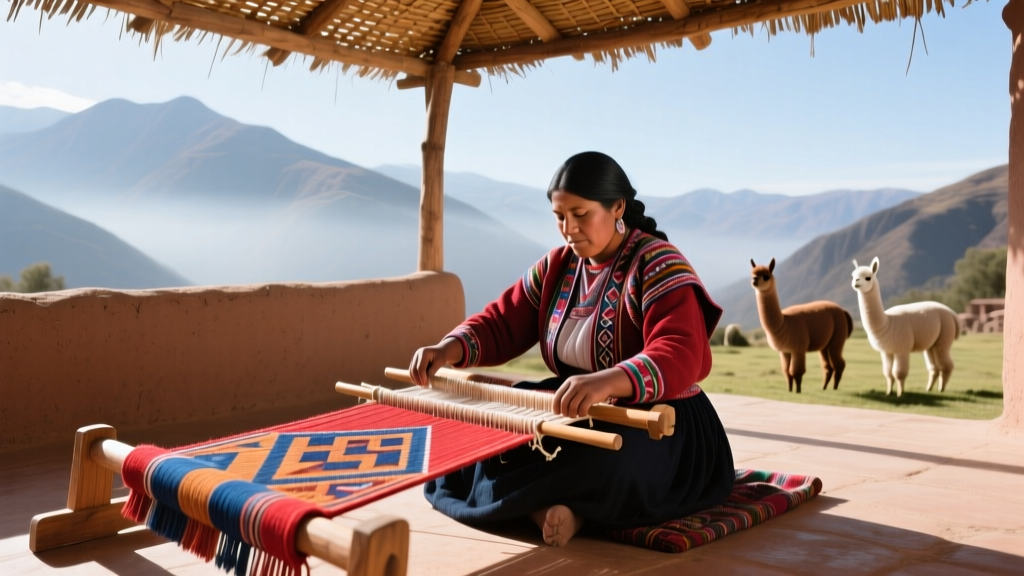
Navajo (Dine) weaving is one of the most celebrated textile traditions in North America. Dine weavers create intricate rugs and blankets on upright looms, using techniques learned from Pueblo peoples and refined over centuries.
Churro Sheep
The Navajo-Churro sheep breed is central to this tradition. Brought by Spanish colonists in the 1600s, Churro sheep produce long-staple wool ideal for weaving. The breed nearly went extinct twice during the 1860s forced removal and the 1930s government stock reduction.
Wool Processing
Traditional wool processing includes shearing, washing with yucca root soap, carding, and spinning on a drop spindle. The spinning technique produces a tight, durable yarn.
Design Traditions
Regional styles include Two Grey Hills (natural wool colors), Ganado (red and black), and Teec Nos Pos (complex geometric patterns). Each style reflects local aesthetics and trading post influences.
Contemporary Challenges
Young weavers face economic pressures, but organizations like the Navajo-Churro Sheep Association and Dine weaving cooperatives work to sustain the tradition.