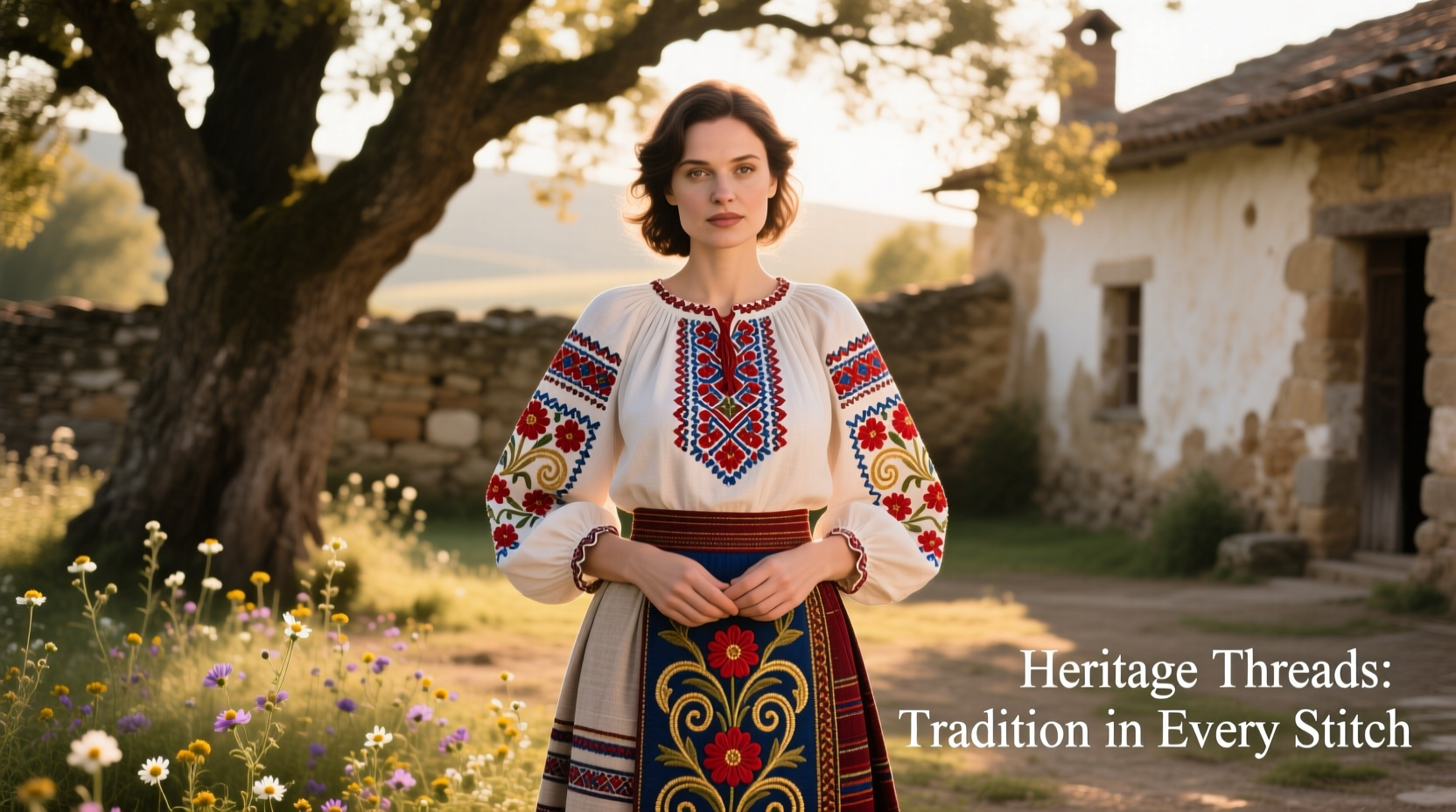
Swedish Folkdrakt: Dalecarlian Dress
A Nation of Costumes
Sweden has one of Europe's richest folk costume traditions — over 840 documented regional folkdräkter (folk dresses), each tied to a specific parish, valley, or province. Unlike many countries where folk dress survives only in museums, Swedish folkdräkter are actively worn for Midsummer celebrations, National Day (June 6), weddings, and folk music festivals.
Dalecarlian Style
Dalarna (Dalecarlia) province produces Sweden's most iconic folkdräkt — the image of a woman in red skirt, white blouse, laced bodice, and striped apron with a distinctive white headdress is recognized worldwide as "Swedish." The Rättvik dräkt features a striking black-and-white striped apron. Leksand dräkt uses vivid red skirts with blue and yellow accents. Each parish within Dalarna maintains its own variant.
The National Costume Question
In 2004, Sweden adopted Sverigedräkten — a "national costume" designed by Märta Palme in 1903 using blue and yellow (national colors). However, many Swedes feel this national costume lacks the deep regional roots of the parish-specific folkdräkter. The debate mirrors broader tensions between national identity and local heritage — most Swedes prefer to wear the folkdräkt of their ancestral parish rather than a generic national design.
- 840+ documented regional costumes across Sweden
- Dalarna: most iconic style, red skirt, white blouse
- Rättvik: black-and-white striped apron
- Sverigedräkten: national costume (blue and yellow)
- Worn at: Midsummer, National Day, weddings, festivals