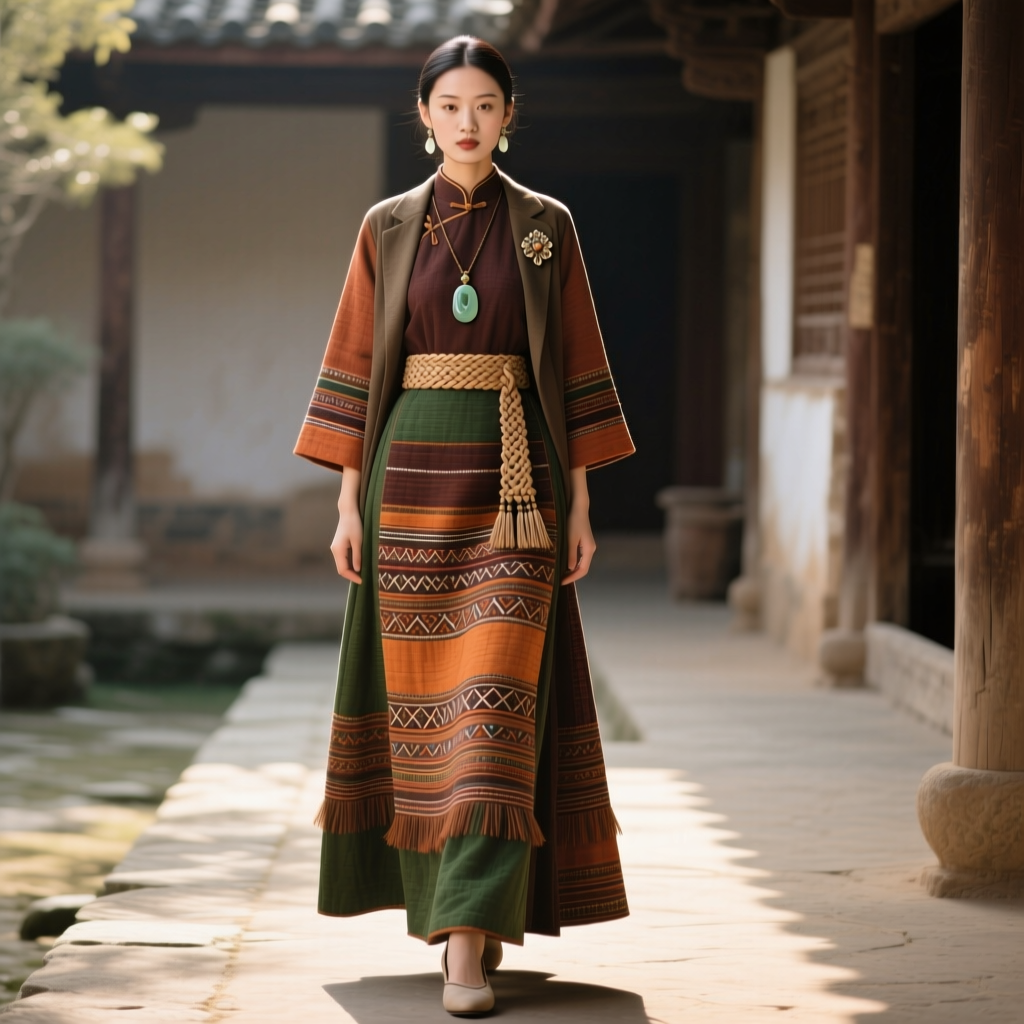
The Art of Styling Traditional Dress with Accessories
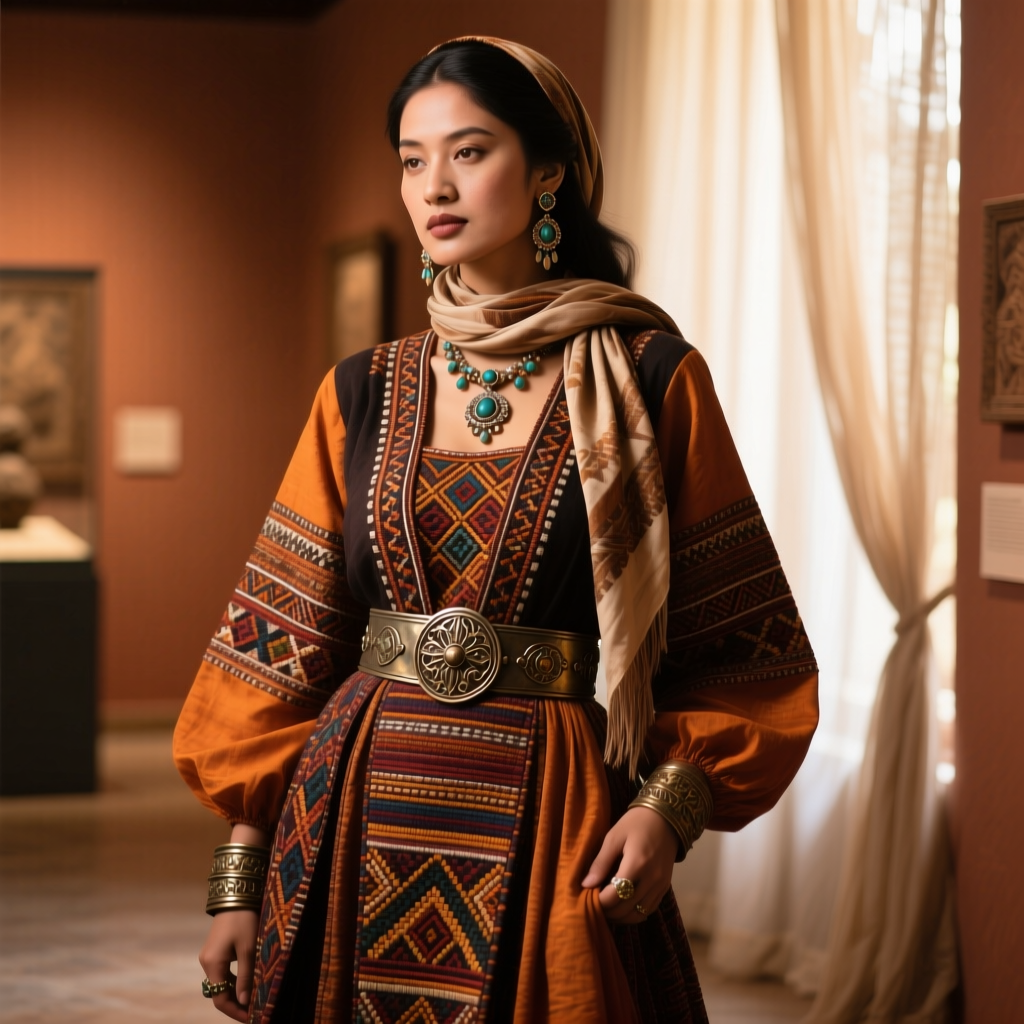
Traditional dress is far more than mere clothing; it is a wearable tapestry of history, culture, and identity. From the intricate embroidery of South Asian lehengas to the structured elegance of East Asian hanboks and the vibrant, woven textiles of West African agbadas, traditional garments carry the weight of centuries of craftsmanship. However, the true magic of these garments is often unlocked through the thoughtful addition of accessories. Styling traditional dress with accessories requires a delicate balance of honoring cultural heritage while expressing personal flair.
Whether you are preparing for a cultural festival, a wedding, or simply looking to integrate ethnic pieces into your daily wardrobe, understanding how to pair garments with the right jewelry, footwear, and accents is essential. This comprehensive guide explores the art of accessorizing traditional attire, offering practical styling tips, modern adaptations, and ethical sourcing advice to help you curate a look that is both respectful and breathtakingly stylish.
Honoring Heritage: The Foundation of Traditional Styling
Before selecting a single bangle or beaded clutch, it is crucial to understand the roots of the garment you are wearing. Every traditional dress has a unique historical context, regional significance, and symbolic language embedded in its warp & weft. Accessories are not merely decorative afterthoughts; in many cultures, they denote marital status, social standing, or spiritual protection.
For instance, the silver jewelry worn with traditional Berber garments in North Africa often serves as a talisman, while the specific hairpins used in Japanese kimono silhouettes indicate the wearer's age and the formality of the event. Taking the time to explore our global textile traditions archive can provide profound insights into the garments you own. When you understand the story behind the fabric, you can choose accessories that complement rather than clash with the garment's cultural narrative. This foundational respect ensures that your styling choices elevate the traditional dress, celebrating its origins while allowing your personal aesthetic to shine.
Essential Accessories for Traditional Ensembles
Building a cohesive traditional look relies on selecting accessories that harmonize with the garment's texture, color palette, and silhouette. Here are the core categories to consider when styling traditional dress with accessories.
Statement Jewelry & Delicate Accents
Jewelry is the cornerstone of traditional styling. Heavily embroidered garments, such as those featuring zari or brocade work, often require a minimalist approach to jewelry to avoid visual clutter. Opt for a single statement piece, like an ornate choker or a pair of elaborate chandelier earrings. Conversely, if you are wearing a simpler, unembellished traditional tunic or dress, you can layer multiple necklaces, stack bangles, and add a maang tikka or forehead jewelry to create a rich, maximalist aesthetic. Exploring techniques like indigenous beadwork can also inspire you to incorporate handcrafted, artisanal pieces that add deep textual contrast.
Footwear: Grounding the Look
Footwear can make or break a traditional ensemble. While modern heels are a popular choice for convenience, traditional footwear offers an unparalleled level of authenticity. Embroidered mojaris, woven leather sandals, or beaded moccasins connect the outfit to its earthly roots. When selecting footwear, consider the hemline of your dress. A flowing, floor-length gown pairs beautifully with a subtle, embellished flat or a modest block heel, while a midi-length traditional skirt allows for more ornate, ankle-strapping footwear to take center stage.
Headpieces, Hair Accessories & Veils
Hair accessories are vital in completing the silhouette of a traditional dress. From the velvet scrunchies and pearl pins of European folk dresses to the elaborate floral garlands of Southeast Asian traditions, the way you adorn your hair frames the face and balances the overall proportion of the outfit. Ensure that the metals or colors in your hair accessories match the hardware and embellishments on your dress for a cohesive finish.
Styling Tips for Balancing Proportions & Textures
The key to mastering traditional dress with accessories lies in the principles of proportion and texture. Traditional garments often feature voluminous silhouettes, heavy draping, or dense patterns, which can easily overwhelm the wearer if not styled thoughtfully.
- The Rule of Thirds: When styling a traditional dress, use accessories to break up the visual space into flattering thirds. A wide, hand-woven belt or an ornate waist chain (kamarband) can cinch a voluminous kaftan or saree, defining the waist and creating a more structured, hourglass silhouette.
- Mixing Metals & Textures: Do not be afraid to mix metals if the garment's embroidery calls for it. However, maintain a dominant metal tone (gold, silver, or rose gold) that complements your skin tone and the undertones of the fabric. Pair smooth, heavy silks with matte, oxidized metals for a striking textural contrast, or match intricate lace with delicate, high-polish filigree jewelry.
- Color Theory: Use accessories to either complement or contrast the primary color of your dress. For a monochromatic look, choose accessories in varying shades of the garment's base color. For a bolder statement, use the color wheel to find complementary shades—such as pairing a deep emerald green traditional gown with ruby or gold accents.
For those interested in the mechanics of draping and how accessories interact with fabric folds, our guide on silk saree draping offers excellent visual examples of how brooches and belts can secure and enhance traditional pleats.
Modern Adaptations: Blending the Old with the New
Traditional dress does not have to be confined to the past. One of the most exciting trends in contemporary fashion is the fusion of heritage garments with modern accessories. This approach breathes new life into vintage pieces and makes traditional attire accessible for everyday wear.
Consider swapping out a heavy, traditional shawl for a structured, oversized leather blazer or a tailored wool trench coat. This juxtaposition of soft, historic textiles with sharp, modern tailoring creates a striking, avant-garde silhouette. Similarly, pairing a traditional, heavily embroidered skirt with a simple, crisp white button-down shirt and minimalist leather ankle boots bridges the gap between cultural heritage and urban street style.
When it comes to bags, replace the traditional potli or beaded clutch with a sleek, modern acrylic box bag or a structured leather tote. This subtle shift in accessories instantly modernizes the entire ensemble, proving that traditional dress can seamlessly integrate into a contemporary, cosmopolitan lifestyle. For more inspiration on merging eras, visit our fusion fashion guide to see how global designers are redefining ethnic wear.
Occasion-Based Styling: From Festivals to Formal Events
The context of your event should dictate the volume and opulence of your accessories. Styling traditional dress for a daytime cultural gathering requires a vastly different approach than dressing for an evening wedding or a formal gala.
Daytime & Casual Gatherings: Opt for breathable, lightweight fabrics like cotton or linen blends. Keep accessories minimal and organic—think terracotta jewelry, woven straw bags, and simple wooden bangles. The goal is to look effortlessly elegant without appearing overdone. Let the natural beauty of the textile, such as those found in our authentic ikat weaving guide, take center stage.
Festivals & Celebrations: This is the time to embrace maximalism. Layer your necklaces, stack your bangles, and opt for vibrant, contrasting colors. Festivals celebrate joy and community, and your accessories should reflect that exuberance. Incorporate mirrors, sequins, and vibrant gemstones that catch the light as you move.
Formal Galas & Weddings: Elegance and refinement are key. Choose high-quality, precious metals and genuine gemstones. A traditional silk gown paired with a single, breathtaking heirloom necklace and a pair of delicate drop earrings exudes sophistication. Ensure your footwear is polished and your clutch is compact and embellished.
The Conscious Buying Guide: Sourcing Authentic Pieces
As the demand for traditional and ethnic fashion grows, so does the market for mass-produced, culturally appropriated imitations. When building a wardrobe of traditional dress and accessories, it is vital to prioritize ethical sourcing, artisan support, and cultural appreciation.
- Seek Out Artisan Cooperatives: Purchase directly from artisan cooperatives or fair-trade organizations that ensure the original creators are compensated fairly. This not only supports local economies but also guarantees the authenticity of the craftsmanship.
- Verify the Materials: Authentic traditional accessories are often made from specific, regionally sourced materials—such as Tibetan turquoise, Baltic amber, or hand-spun silver. Learn to identify these materials and ask sellers for provenance.
- Understand the Difference Between Appreciation & Appropriation: Appreciation involves understanding the cultural significance of a piece, wearing it in appropriate contexts, and supporting the community it originates from. Appropriation involves stripping a sacred or culturally significant item of its meaning and wearing it merely as a trendy costume. Always research the cultural weight of the accessories you buy.
- Invest in Vintage & Heirloom Pieces: Sourcing vintage traditional accessories from reputable antique dealers is a sustainable way to shop. These pieces carry a unique patina and history that modern reproductions simply cannot replicate.
By making conscious purchasing decisions, you become a custodian of cultural heritage, ensuring that ancient crafting techniques survive for future generations.
Frequently Asked Questions
How do I avoid cultural appropriation when styling traditional dress?
The key to avoiding cultural appropriation is education and respect. Research the history and cultural significance of the garment and its accompanying accessories. Avoid wearing sacred or ceremonial items (like Native American war bonnets or specific religious bindings) as casual fashion statements. Furthermore, strive to purchase from brands and artisans that belong to the culture being represented, ensuring your money supports the community rather than exploiting it.
Can I wear traditional accessories with contemporary Western clothing?
Absolutely. Blending traditional accessories with Western clothing is a fantastic way to honor your heritage or showcase global artistry in everyday life. A pair of intricate, hand-carved silver drop earrings can elevate a simple black evening dress, while a vibrant, hand-woven artisan belt can add a unique focal point to a classic denim and white t-shirt ensemble. The contrast between modern silhouettes and historic craftsmanship creates a deeply personal, eclectic style.
What is the best way to store and maintain vintage traditional accessories?
Vintage traditional accessories require careful preservation. Store silver and oxidized metals in anti-tarnish cloth pouches, away from direct sunlight and humidity. Beaded or thread-work accessories should be laid flat in acid-free tissue paper to prevent the threads from stretching or snapping over time. Avoid spraying perfumes or hairsprays directly onto delicate ethnic jewelry, as the chemicals can degrade natural dyes, porous gemstones, and organic materials like bone or wood.
How do I choose the right footwear for a heavy, embroidered traditional gown?
When wearing a heavy, heavily embroidered traditional gown, comfort and structural support are paramount. The weight of the fabric and the density of the embellishments can cause fatigue. Opt for footwear with a sturdy block heel or a well-cushioned, embellished flat that provides arch support. Ensure the color of the footwear either perfectly matches the hemline of the dress to elongate the leg, or features metallic accents that tie into the embroidery of the gown.
Where can I find ethically sourced traditional garments and accessories?
Ethically sourced traditional pieces can be found through dedicated fair-trade platforms, artisan markets, and specialized boutiques that transparently share their supply chains. Look for certifications like Fair Trade or B-Corp, and seek out brands that highlight the specific artisans and regions where the items are crafted. Additionally, exploring cultural heritage museums' gift shops or attending global textile exhibitions are excellent ways to connect directly with master craftsmen and purchase authentic, ethically made accessories.